Coming out of WWII, organizations leveraged the military’s use of power hierarchy to structure themselves. It was familiar and aligned with theories of management at the time (think Taylor, Weber). In this military model, position carries authority over others. To move “up the ladder,” one must be promoted by power into power; invited into supervisory, management, director, and executive positions at power’s discretion.
Leadership, on the other hand, is granted by followers. Followers decide the leaders they follow. This begs the question: why has organizational hierarchal power been granted the nomenclature of “leadership?” True, there are those who build leadership capacity and bring it to the power they are granted, and there are even organizations that develop the leadership skills of chosen performers. Yet, this still feels like a “cart before the horse” approach: star performers promoted into power by power with little regard for whether the resulting followers consider them leaders.
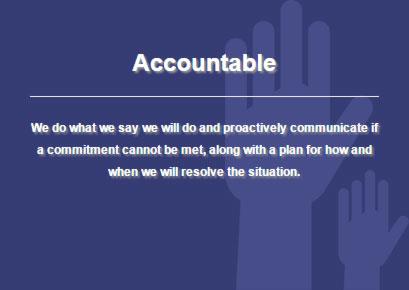
We would do better to treat power as a component of leadership rather than leadership itself. Power alone can be daunting and bring about unwelcome characteristics, precisely because leadership development is lacking in advance of a promotion to power. And here’s the thing: leadership essentials are also essential to healthy followership. So why not provide development of the essentials – self and other awareness, accountability, integrity, presence, effective communication, including listening and feedback – to leaders and followers alike?
By offering everyone the opportunity to develop essential skills, an organization may reap the benefits of healthy leadership and followership. After all, depending on each situation and its human dynamics, each of us encounters reasons to lead and follow, be it in work or life, each and every day.
When power in and of itself can be addictive and difficult to relinquish, what better way to potentially allay such addiction than to develop essential skills in everyone from the very start?

 Nurture the Goose